
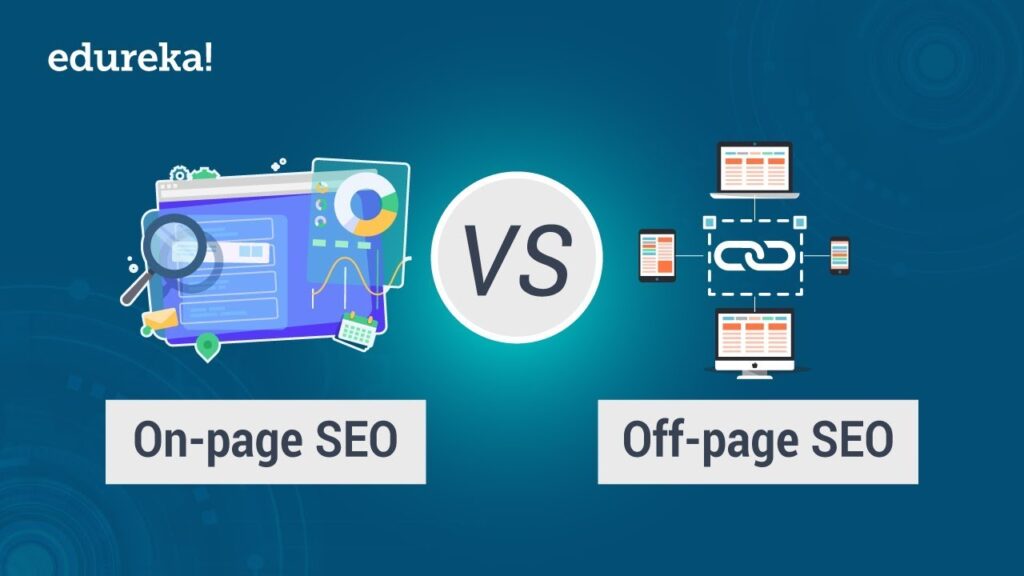
Master On-Page and Off-Page SEO: A Step-by-Step Guide
Search Engine Optimization (SEO) is the backbone of digital marketing. To rank higher on search engines like Google, you need a strong on-page and off-page SEO strategy. While on-page SEO focuses on optimizing elements within your website, off-page SEO involves actions taken outside your site to improve its authority and relevance. In this comprehensive guide, you’ll learn: By the end, you’ll have a clear roadmap to boost your website’s 1. Introduction to On-Page and Off-Page SEO Search Engine Optimization (SEO) is the process of improving your website’s visibility on search engines like Google. SEO is divided into two main categories: on-page SEO and off-page SEO. Both are essential for achieving higher rankings, driving organic traffic, and growing your online presence. In this comprehensive guide, you’ll learn: By the end, you’ll have a clear, step-by-step roadmap to master on-page and off-page SEO and boost your website’s performance. 2. What is On-Page SEO? Key Elements and Best Practices On-page SEO refers to all the optimizations you can perform directly on your website to improve its search engine rankings. It includes both the content and the HTML source code of your pages. Key Elements of On-Page SEO: Best Practices for On-Page SEO: 3. Step-by-Step On-Page SEO Optimization Guide Step 1: Conduct Keyword Research Start by identifying the right keywords for your content. Use tools like Google Keyword Planner, Ahrefs, or SEMrush to find high-intent, low-competition keywords. Step 2: Optimize Title Tags Your title tag is one of the most important on-page SEO elements. It should be compelling, include your focus keyword, and be under 60 characters. Example: “Master On-Page and Off-Page SEO: A Step-by-Step Guide for 2025” Step 3: Craft Engaging Meta Descriptions Meta descriptions appear in search results and influence click-through rates. Keep them under 160 characters and include your focus keyword. Example: “Learn how to master on-page and off-page SEO with this step-by-step guide. Boost your rankings and drive more organic traffic in 2025!” Step 4: Use Header Tags Effectively Header tags help search engines understand the structure of your content. Use H1 for the main title and H2/H3 for subheadings. Example: Step 5: Create High-Quality, Keyword-Optimized Content Write in-depth, informative content that answers user queries. Use your focus keyword naturally throughout the content, but avoid keyword stuffing. Step 6: Optimize Images for SEO Images enhance user experience but can slow down your site if not optimized. Step 7: Improve Page Speed Page speed is a critical ranking factor. Use tools like Google PageSpeed Insights to identify and fix issues. Step 8: Implement Internal Linking Link to other relevant pages on your site to improve navigation and distribute link equity. Example: “For more on on-page SEO techniques, check out our guide on keyword optimization.” 4. What is Off-Page SEO? Why It Matters for Rankings Off-page SEO refers to all the actions taken outside your website to improve its search engine rankings. The most important factor is backlinks, but it also includes social signals, brand mentions, and influencer marketing. Key Elements of Off-Page SEO: Why Off-Page SEO Matters: 5. Step-by-Step Off-Page SEO Strategies for 2025 Step 1: Build High-Quality Backlinks Backlinks are the foundation of off-page SEO. Focus on earning links from reputable, relevant websites. Step 2: Leverage Social Media for SEO While social media doesn’t directly impact rankings, it drives traffic and increases brand visibility. Step 3: Encourage Brand Mentions Brand mentions, even without links, can improve your site’s authority and trustworthiness. Step 4: Collaborate with Influencers Influencers can help amplify your content and attract new audiences. Step 5: Submit to Directories and Listings Submit your website to relevant directories to earn backlinks and improve visibility. 6. Common On-Page and Off-Page SEO Mistakes to Avoid On-Page SEO Mistakes: Off-Page SEO Mistakes: 7. How to Measure SEO Success: Tools and Metrics Track your progress using tools like Google Analytics, Google Search Console, Ahrefs, and SEMrush. Key Metrics to Monitor: 8. Conclusion: Your SEO Action Plan Mastering on-page and off-page SEO is essential for improving your website’s visibility, driving organic traffic, and achieving long-term success. Here’s your action plan: Start implementing these strategies today and watch your rankings and traffic grow! What’s your biggest SEO challenge? Share your thoughts or contact us
Master On-Page and Off-Page SEO: A Step-by-Step Guide Read More »